Understanding Dietary Choices and Essential Nutrients for Men's Well-being
Explore the foundational knowledge of nutrition, dietary principles, and their role in supporting overall health and vitality.
Educational content only. No promises of outcomes.
Understanding Macronutrients
Macronutrients form the foundation of human nutrition. They provide energy and serve essential structural and functional roles in the body. Understanding these three core nutrient categories—proteins, carbohydrates, and fats—is fundamental to grasping how dietary choices support overall well-being.
Proteins
Proteins are composed of amino acids and play critical roles in building and maintaining muscle tissue, producing enzymes, and supporting immune function. Sources include lean meats, fish, legumes, nuts, and dairy products.
Carbohydrates
Carbohydrates are the body's primary energy source. They fuel brain function and physical activity. Whole grains, fruits, and vegetables provide carbohydrates along with fiber and micronutrients.
Fats
Fats are essential for hormone production, brain health, and nutrient absorption. Healthy sources include olive oil, avocados, nuts, and fatty fish, which provide omega-3 and omega-6 fatty acids.

Essential Vitamins Explained
Vitamins are organic compounds necessary for numerous bodily functions. Here are key vitamins and their roles:
- Vitamin D: Supports bone health, immune function, and calcium absorption.
- Vitamin B-Complex: Facilitates energy metabolism and supports nervous system function.
- Vitamin C: Acts as an antioxidant and supports immune health and collagen formation.
- Vitamin A: Essential for vision, immune function, and skin health.
- Vitamin E: Provides antioxidant protection to cells.
Food sources include leafy greens, citrus fruits, nuts, seeds, and fortified grains.

Minerals for Well-being
Minerals are inorganic elements crucial for bone structure, fluid balance, and metabolic processes. Key minerals include:
- Zinc: Supports immune function, protein synthesis, and wound healing.
- Magnesium: Essential for muscle function, energy production, and bone health.
- Selenium: Functions as an antioxidant and supports thyroid health.
- Iron: Critical for oxygen transport in blood.
- Calcium: Fundamental for bone and teeth health.
Dietary sources include whole grains, legumes, nuts, seeds, leafy greens, and dairy products.

The Power of Whole Foods
Whole foods—those minimally processed and in their natural state—retain most of their nutritional density. They contain not only macronutrients and vitamins but also beneficial compounds like phytochemicals and fiber.
Benefits of choosing whole foods:
- Higher nutritional density compared to processed alternatives
- Presence of dietary fiber for digestive health
- Absence of added sugars, sodium, and artificial ingredients
- Support for stable energy levels throughout the day
Examples include fresh fruits, vegetables, legumes, whole grains, nuts, seeds, and unprocessed animal proteins.
Hydration: A Core Pillar of Wellness
Water is fundamental to life. It regulates body temperature, transports nutrients, aids digestion, lubricates joints, and supports cognitive function. Adequate hydration is one of the simplest yet most impactful dietary principles.
Daily Hydration Needs
Individual water requirements vary based on activity level, climate, and overall health. General guidelines suggest around 2-3 liters daily, though this can vary significantly from person to person. Water sources include drinking water, herbal teas, and water-rich foods like fruits and vegetables.
Signs of Adequate Hydration
Adequate hydration is typically reflected in consistent energy levels, clear cognitive function, and normal urine color. Maintaining hydration habits supports overall physical performance and well-being.

Dietary Fiber: Benefits & Sources
Dietary fiber, found in plant-based foods, plays a crucial role in digestive health and nutrient absorption. Unlike other carbohydrates, fiber is not broken down for energy but provides structural support to the digestive system.
Benefits of Fiber
- Supports healthy digestion and regular bowel movements
- Helps maintain stable blood sugar levels
- Promotes satiety and supports balanced energy intake
- Feeds beneficial gut bacteria
Rich fiber sources: whole grains, legumes, vegetables, fruits, nuts, and seeds.

Antioxidants in Your Diet
Antioxidants are compounds that help protect cells from oxidative stress—a natural process that occurs from metabolism and environmental exposure. Understanding antioxidants helps illustrate how certain foods support cellular health.
Common Antioxidant Compounds
- Polyphenols: Found in berries, tea, and dark chocolate
- Carotenoids: Present in orange and red vegetables like carrots and tomatoes
- Vitamin C & E: Cited earlier; additional cellular protective roles
A diet rich in colorful fruits and vegetables naturally provides diverse antioxidant compounds.
Balanced Eating Principles
Creating a balanced diet involves understanding how to incorporate diverse food groups in proportions that support individual needs and preferences. Balance in diet is foundational to general health and well-being.
Variety
Consuming a wide range of foods ensures intake of different nutrients. Different colors, textures, and food groups contribute unique nutritional profiles.
Proportion
Balancing portions of different macronutrients supports stable energy and nutrient intake. Individual needs vary, making personalized awareness important.
Consistency
Maintaining regular eating patterns supports metabolic function and energy stability. Mindful eating practices encourage awareness of dietary choices.

Lifestyle & Nutrition Synergy
Diet does not exist in isolation. Physical activity, sleep quality, and stress management work in concert with nutritional choices to support overall health and vitality.
The Interconnected Elements
- Physical Activity: Supports muscle maintenance, cardiovascular health, and metabolic function. Nutrition fuels activity and supports recovery.
- Sleep Quality: Essential for recovery, immune function, and metabolic regulation. Nutritional choices can influence sleep patterns.
- Stress Management: Chronic stress affects digestion and nutrient absorption. Balanced nutrition supports resilience.
Understanding these connections emphasizes that dietary choices are part of a broader lifestyle context.
Reading Food Labels: An Informational Guide
Food labels provide valuable information for understanding what you're consuming. Learning to read them supports informed dietary choices and awareness of nutritional content in packaged foods.
Key Label Components
- Serving Size: All nutritional information is based on this unit.
- Calories: Energy content per serving.
- Macronutrients: Total fat, carbohydrates, and protein content.
- Micronutrients: Vitamins and minerals expressed as percentages of daily value.
- Ingredients List: Listed in descending order by weight.
Using Label Information
Comparing food labels across similar products helps identify nutritional differences. Understanding daily value percentages aids in balancing intake of various nutrients. Awareness of ingredient lists supports recognition of whole versus processed foods.
Note: Label reading is a tool for awareness and informed selection, not a prescriptive guide.
Historical Perspectives on Diet
Human understanding of nutrition has evolved significantly over time. From early observations of food's effect on health to modern nutritional science, the journey reflects humanity's ongoing quest to understand how diet supports well-being.
Early civilizations recognized the connection between food and health, developing dietary practices based on local agriculture and climate. As scientific methods advanced, the discovery of vitamins, minerals, and their roles transformed dietary understanding. Today's nutrition science integrates biochemistry, epidemiology, and individual variation to provide comprehensive dietary knowledge.
This historical context helps us appreciate that dietary understanding is cumulative and continues to evolve as research deepens and cultural perspectives broaden.
Nutrient Density Explained
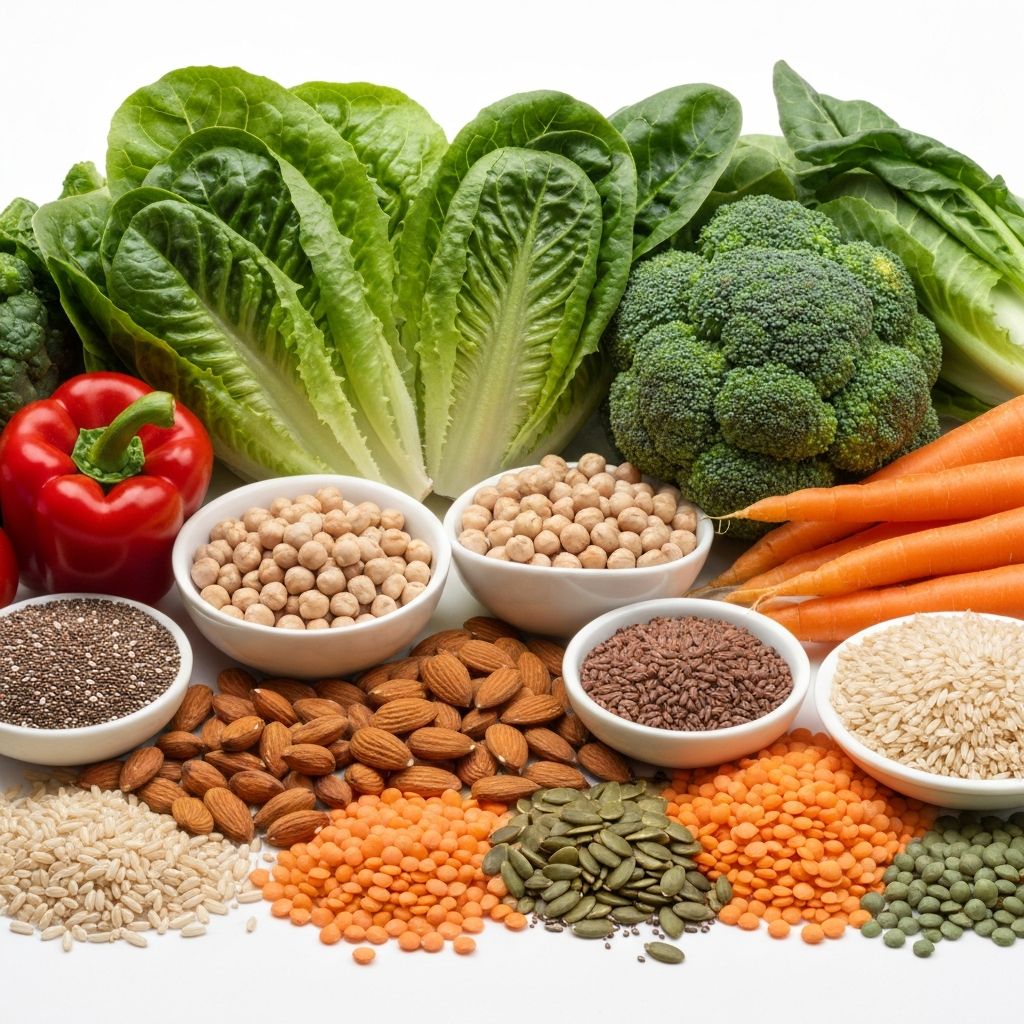
Nutrient density refers to the concentration of nutrients relative to caloric content. Foods with high nutrient density provide substantial nutritional value per calorie consumed. This concept helps illustrate why certain foods are considered particularly beneficial for supporting health and vitality.
Examples of Nutrient-Dense Foods
- Leafy Greens: High in vitamins, minerals, and fiber; low in calories
- Legumes: Rich in protein, fiber, and micronutrients
- Nuts & Seeds: Concentrated sources of healthy fats, protein, and minerals
- Whole Grains: Provide sustained energy with fiber and micronutrients
Exploring Food Groups
Understanding food groups provides a framework for building balanced meals. Each group contributes unique nutrients and benefits. A diverse approach to food selection naturally supports nutritional completeness.
Plant-Based Groups
Vegetables & Fruits: Primary sources of vitamins, minerals, fiber, and phytonutrients.
Grains & Legumes: Provide carbohydrates, fiber, and plant-based protein.
Nuts, Seeds & Oils: Supply healthy fats and fat-soluble vitamins.
Animal-Based Groups
Meat, Fish & Poultry: Rich in complete proteins, B vitamins, and minerals.
Dairy Products: Excellent sources of calcium, protein, and vitamin D (in fortified options).
Eggs: Nutrient-dense foods containing complete proteins and choline.
Continue Your Learning Journey
This site provides foundational knowledge on nutrition, dietary principles, and their role in supporting general well-being. Explore additional resources and deepen your understanding of how dietary choices contribute to your health journey.
Explore More ContentEducational Content Notice
This content is for informational purposes only. The information on this site is designed to help you understand general principles of nutrition and health. It does not provide personalized dietary recommendations, does not replace professional medical or nutritional consultation, and should not be used for self-diagnosis or to make medical decisions. Dietary needs vary significantly between individuals based on age, health status, activity level, and other factors. If you have specific health concerns or dietary questions, consult with qualified healthcare professionals.